Why Your Nervous System Holds the Key to Deep Sleep
“Sleep is the golden chain that ties health and our bodies together.” — Thomas Dekker
Yet, in a world obsessed with productivity hacks and miracle fixes, millions are struggling to find that golden chain. Sound familiar? You’ve swapped out your pillow three times. You’ve downloaded sleep apps, tried CBD drops, played nature sounds on repeat.
Maybe even shelled out for a weighted blanket or blackout curtains. Still, you wake up groggy or spend hours staring at the ceiling, mind buzzing while your body begs for rest.
Here’s the truth that most miss: deep sleep doesn’t begin when your head hits the pillow. It starts way before that, deep inside your nervous system. If you’re constantly feeling wired but tired,exhausted in body but unable to switch off your brain, it’s not just insomnia. It’s your nervous system sounding the alarm, stuck in overdrive. And unless you learn how to calm it, you’ll keep chasing solutions that don’t work.
This article pulls back the curtain on the real sleep culprit: an overstimulated, unbalanced nervous system. We’ll dive into why the vagus nerve might be your new best friend, how modern life hijacks your rest, and the science-backed ways to get the restorative sleep you crave, finally.
The Nervous System–Sleep Connection
- Understand the two branches of the autonomic nervous system: fight-or-flight (sympathetic) vs rest-and-digest (parasympathetic)
- Why the vagus nerve acts as the “master switch” for calming the body
- How stress hormones like cortisol and adrenaline disrupt deep sleep phases
Your body has two modes: go time and slow time. The sympathetic nervous system is designed to keep you alert and reactive great for danger, terrible for bedtime. On the flip side, the parasympathetic system helps you digest, heal, and yes, sleep.
The vagus nerve is the MVP of this calming system. It runs from your brainstem down through your chest and abdomen, regulating things like heart rate, digestion, and yes, sleep readiness. When this nerve is activated, your body gets the memo: it’s safe to rest.
The problem? When stress hormones flood your system, especially close to bedtime, they keep the vagus nerve suppressed. That hyper-alertness blocks you from entering the deep, restorative N3 and REM sleep stages. So you’re asleep — technically — but not getting the deep healing your body and brain desperately need.
Modern Life Is Nervous System Overload
Your body has two modes: go time and slow time. The sympathetic nervous system is designed to keep you alert and reactive great for danger, terrible for bedtime. On the flip side, the parasympathetic system helps you digest, heal, and yes, sleep.
The vagus nerve is the MVP of this calming system. It runs from your brainstem down through your chest and abdomen, regulating things like heart rate, digestion, and yes, sleep readiness. When this nerve is activated, your body gets the memo: it’s safe to rest.
The problem?
When stress hormones flood your system, especially close to bedtime, they keep the vagus nerve suppressed.
That hyper-alertness blocks you from entering the deep, restorative N3 and REM sleep stages.
So you’re asleep — technically — but not getting the deep healing your body and brain desperately need.
How Vagus Nerve Activation Improves Sleep
The vagus nerve is like your body’s built-in tranquilliser. When it’s stimulated — naturally or with specific tools — your body shifts into rest-and-digest mode. Heart rate drops. Breathing slows. Muscles unclench. Thoughts stop racing. It’s as if someone pressed the “mute” button on your stress response.
This state is critical for entering N3 (deep, dreamless sleep) and REM (restorative dream state).
Without it, you’re stuck in the lighter stages of sleep, where even minor noises or subconscious worries can jolt you awake.
By activating the vagus nerve, you’re not just falling asleep — you’re falling into the right kind of sleep.
Practical Ways to Calm the Nervous System
Slow Diaphragmatic Breathing
Breathe in for four counts, hold for seven, exhale for eight. Repeat. This classic 4-7-8 breath activates the vagus nerve and tells your body: “We’re safe. Let’s wind down.”
Light Stretching
Stretching, particularly forward folds or hip openers, reduces muscular tension and signals your body that it’s time to rest.
Warm Showers
Not hot — warm. Raising your core body temperature slightly, then stepping into a cooler room, triggers a drop that helps cue your body into sleep mode.
Journaling
The act of writing out your worries, tasks, or random thoughts stops your mind from rehearsing them all night.
Phone Cut-Off Time
At least 30–60 minutes before bed. Swap the screen for something analog: a book, sketchpad, or, better yet, just dim lighting and silence.
7-Minute Pre-Sleep Nervous System Reset Routine
- 1 min: Slow diaphragmatic breathing (4-7-8 method)
- 1 min: Gentle forward fold stretch
- 2 min: Warm shower or face wash with lukewarm water
- 1 min: “Mind dump” journaling of any lingering thoughts
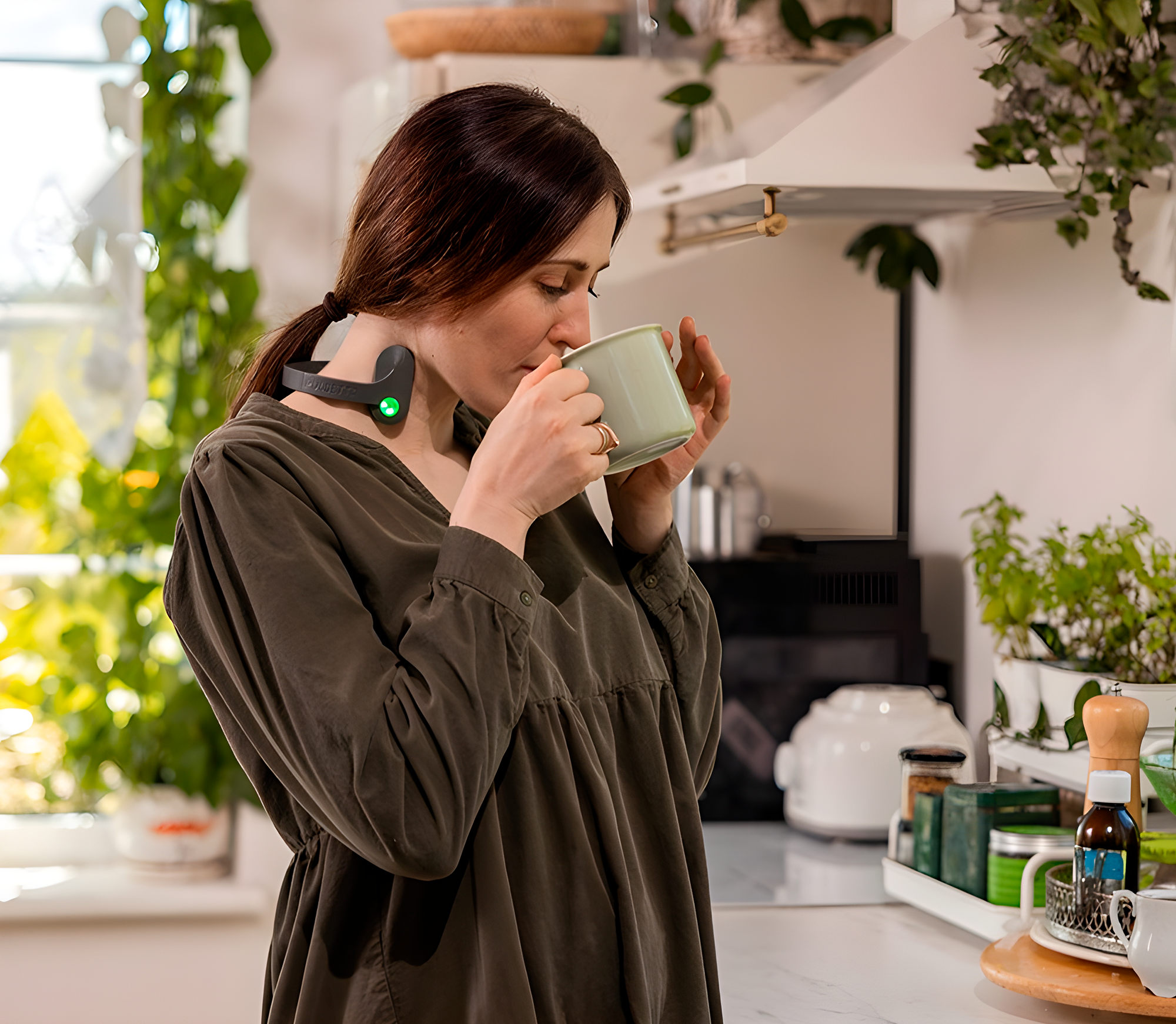
- 1 min: Pulsetto session (or guided vagus breathwork)
- 1 min: Lie down on Zen Fluff Pillow, eyes closed, visualise calm
This short, potent routine stacks calming techniques to transition you from hustle mode into healing mode. Do this nightly and watch your sleep transform.
Conclusion: Deep Sleep Starts Before You Lie Down
Sleep isn’t a mystery. It’s a physiological sequence that depends entirely on one thing: your nervous system’s ability to switch off.
All the supplements, sound machines, and sleep trackers in the world won’t fix what’s actually going on — an overstimulated, overburdened system that’s forgotten how to rest.
If you want real change, start with your nervous system. Activate your vagus nerve. Reduce mental clutter. Respect the body’s need to unplug from modern life. Sleep isn’t a luxury; it’s your birthright. But you’ve got to earn it — not with gadgets or hacks, but with awareness and action.
So tonight, ditch the last-minute scroll. Breathe. Stretch. Write. Plug into stillness. Let your nervous system lead the way.
.
Appendix: Sources & References